Dental Crown Placement: Front vs. Back Teeth
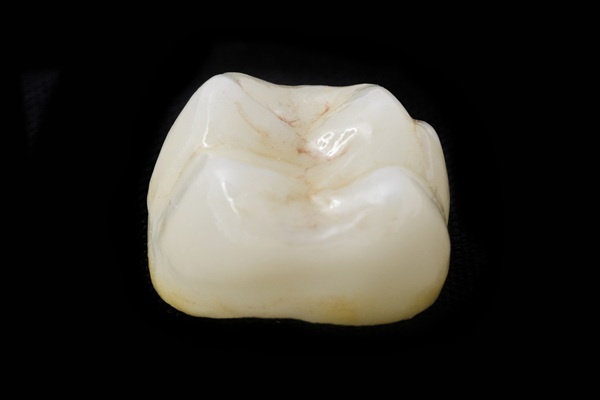
A dental crown can restore a damaged tooth, but the placement process may differ for front and back teeth. A general dentist considers the tooth’s location, the amount of pressure it can withstand, and its visibility when planning treatment. While both types of crowns cover and support a tooth, each one serves a slightly different purpose in daily function.
Why tooth location matters
Front teeth and back teeth do different jobs. Front teeth help bite into food and support speech, while back teeth do most of the grinding during meals. Because of that difference, a dental crown for a front tooth often focuses on shape and color match, while a crown for a back tooth often focuses on strength and bite balance.
The dentist also looks at how much of the natural tooth remains. A front tooth may need a crown after injury, wear, or root canal treatment. A back tooth may need one after a large cavity, a crack, or repeated pressure from chewing or grinding. In both cases, the goal is to protect the tooth and help it work as it should.
Front tooth crowns
A dental crown on a front tooth usually needs to blend with nearby teeth. The dentist checks the shade, contour, and size so the crown fits the smile in a natural-looking way. Small differences in shape or color can stand out more in the front of the mouth, so planning often takes extra attention.
Front teeth also affect speech. Sounds such as “f” and “v” depend on how the upper front teeth meet the lower lip. If the dental crown is too long, too short, or too bulky, it can change how words sound. That is why the dentist may make fine adjustments after placement.
Common reasons for a front dental crown include:
- A chipped or broken tooth
- A tooth weakened after root canal treatment
- A worn tooth with reduced structure
- A tooth with a large filling that no longer offers enough support
With the right fit, a front crown can help restore comfort, speech, and daily function.
Back tooth crowns
Back teeth handle more force than front teeth. Every time a person chews, molars and premolars absorb pressure and break food into smaller pieces. A dental crown in this area must withstand that repeated force while keeping the bite even.
The dentist checks how the upper and lower teeth come together before bonding the crown in place. If the bite feels too high, the crown may need to be reshaped. Even a small change can affect chewing comfort or place extra stress on nearby teeth and the jaw.
Back tooth crowns may use materials chosen for durability, especially for patients who clench or grind. These crowns may not need the same level of color matching as front teeth, but they still need to fit well along the gumline and between neighboring teeth. A well-fitted dental crown on a back tooth helps support chewing, protects the remaining tooth, and reduces strain during everyday use.
What to expect next
Whether a dental crown goes on a front tooth or a back tooth, the basic steps are similar: the dentist prepares the tooth, takes impressions, places a temporary crown if needed, and bonds the final crown at a later visit. The main difference is how the dentist plans for visibility, bite pressure, and tooth function in that part of the mouth. For more information or to schedule an appointment, call our office.
To schedule a consultation, please request an appointment on our website at https://www.mpdentalarts.com or call Moskowitz and Penner Dental Arts at (732) 583-3373 to arrange an appointment at our Aberdeen Township office.
Check out what others are saying about our dental services on Yelp: Dental Crowns and Dental Bridges in Aberdeen Township, NJ.
Related Posts
Dental crowns are common treatments used to fully restore teeth. Restoring damaged teeth can be done in several ways, depending on the severity of the damage or decay. One of the most popular ways that this is done is through dental crown placement.Here is a quick overview of dental crowns and how they are used…
Replacing lost teeth with a dental bridge has many advantages. Tooth loss does not just affect the appearance of the smile, but also the ability to talk and chew easily, teeth alignment, and the person’s confidence. A dental bridge closes the gap between teeth and prevents further damage. Read on to find out how bridges…
Regular visits to a general dentist are crucial for maintaining oral health and preventing cavities, gum disease, and other oral health issues. These appointments also give the dentist a chance to catch early signs of problems before they become more serious. Understanding how often to schedule these visits is key to maintaining long-term dental health.Most…
A general dentist strengthens community oral health through professional fluoride applications that harden enamel, neutralize early decay, and create a barrier against future acid attacks. Regular office visits allow the general dentist to deliver targeted fluoride concentrations unavailable in over-the-counter products, ensuring each patient gains maximum cavity resistance with minimal chair time. Understanding how professionally…